
Why Your Business Needs NetSuite HR Integration
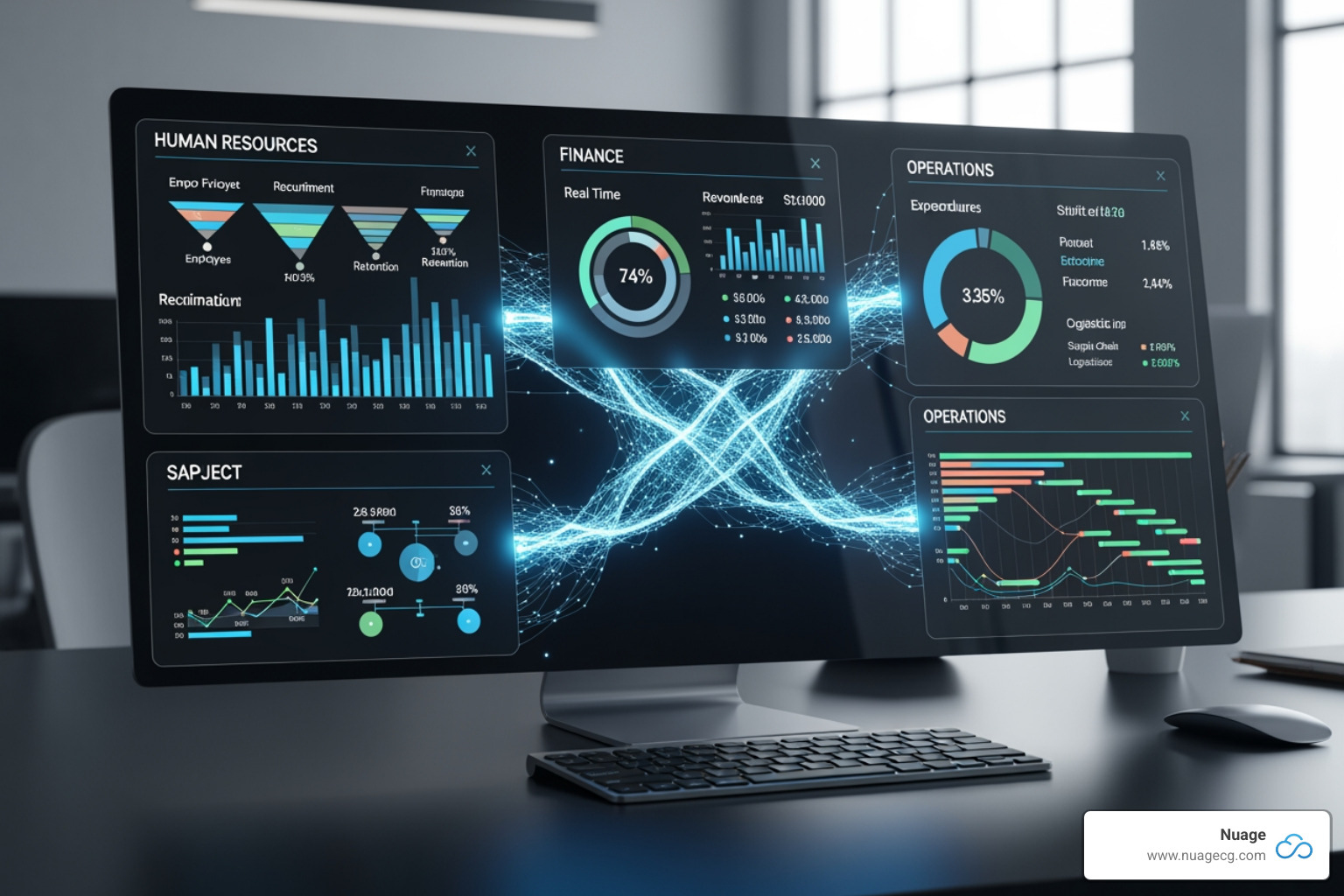
NetSuite HR integration connects your human resources data with your financial, operational, and customer systems within a single ERP platform. This creates a unified source of truth that eliminates duplicate data entry, reduces errors, and provides real-time visibility into how your workforce impacts business performance.
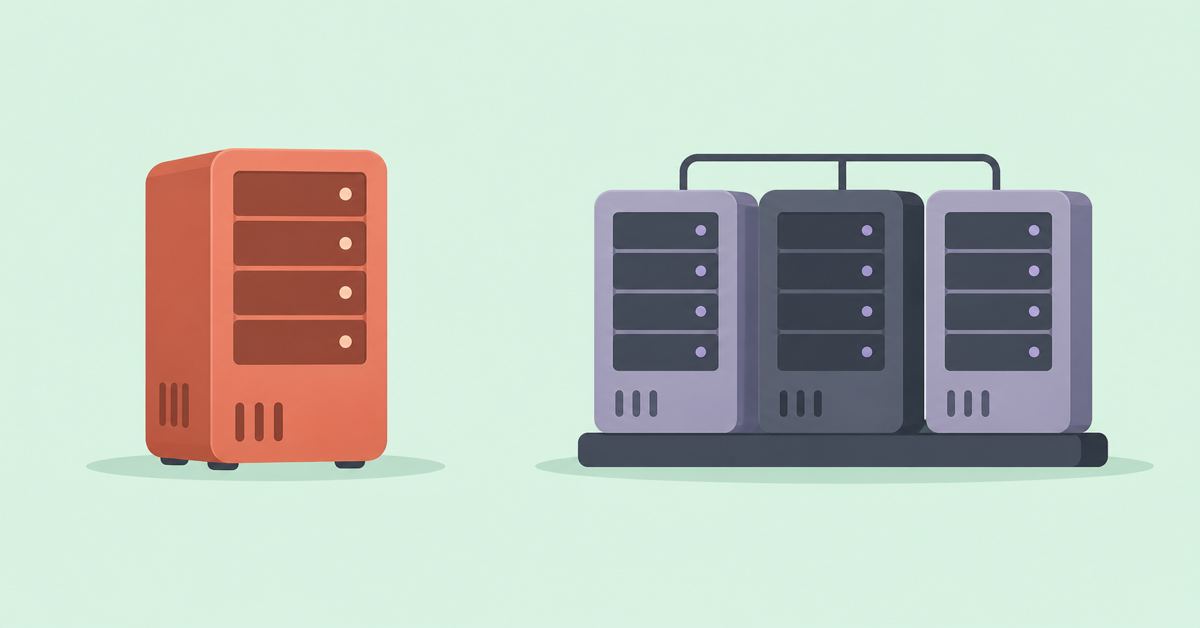
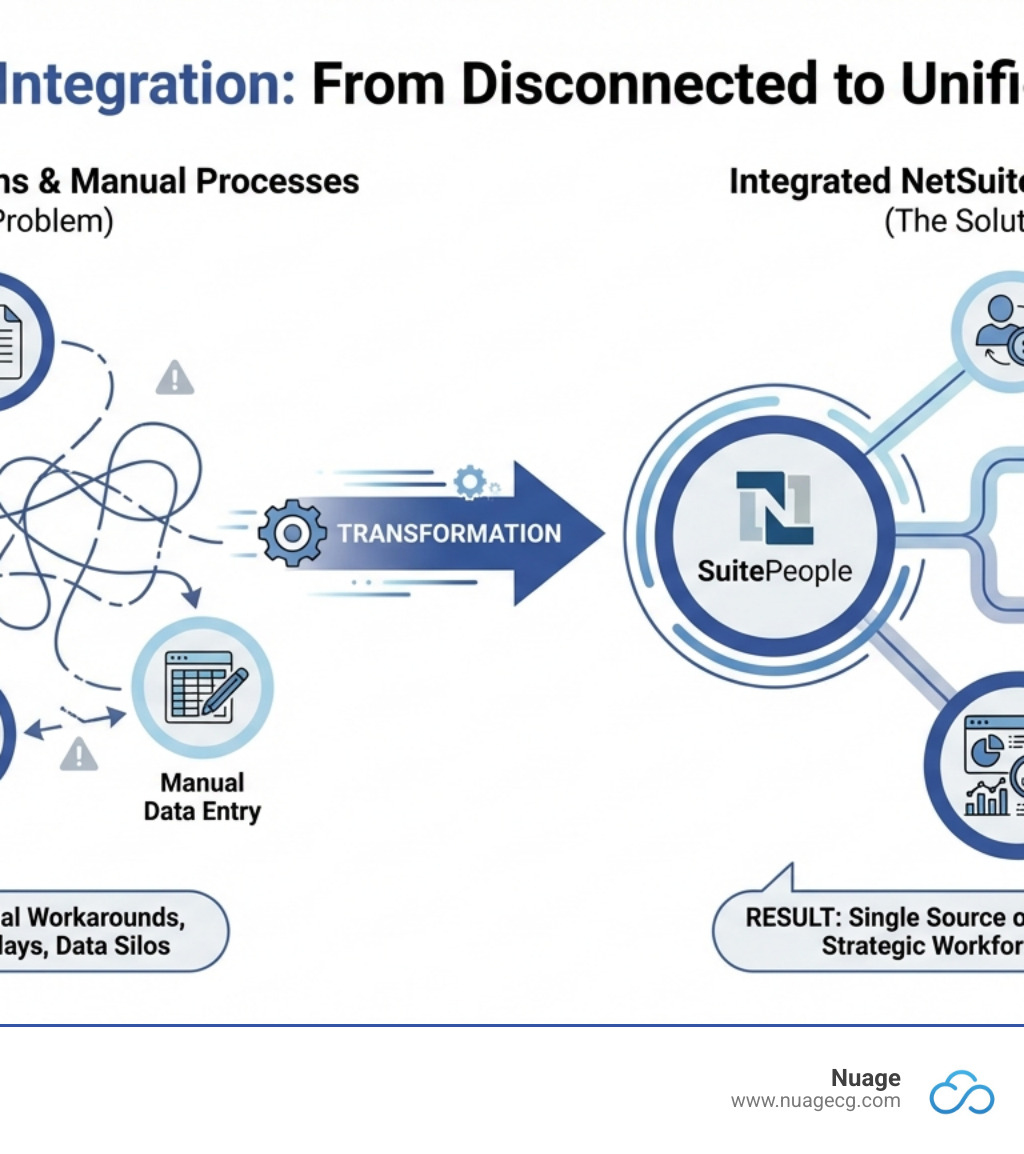
People are your most significant investment, with labor costs often accounting for up to 70% of total expenses. Yet many businesses manage their workforce with disconnected systems—a standalone HR platform, a separate accounting system, and spreadsheets to bridge the gap. This creates data silos, manual work, and a lack of visibility into how workforce performance connects to financial results.
When your HR system doesn’t talk to your ERP, simple tasks become complex, finance teams spend days reconciling data, and executives lack the real-time insights needed for strategic decisions.
NetSuite’s SuitePeople solves this by building HR capabilities directly into the NetSuite ERP platform. As a native module, it shares the same database as your financials, CRM, and operations, automatically connecting employee data and payroll to your business performance metrics.
I’m Louis Balla, CRO and partner at Nuage. With over 15 years of experience helping companies optimize their NetSuite environments, I’ve seen how unifying people data through NetSuite HR integration transforms both HR efficiency and business decision-making.
What is NetSuite HR Integration and Why is it Critical?
Your people are your biggest expense, with labor costs often exceeding 70% of total operating expenses. Yet many companies manage their workforce with a patchwork of disconnected tools for payroll, time tracking, and employee records. This “disconnected HR system” problem is more costly than most businesses realize, leading to manual data entry, errors, and a lack of strategic insight.
NetSuite HR integration solves this by bringing all human capital management functions into your NetSuite ERP platform. Instead of living in isolation, employee data becomes part of the same unified system that handles your financials, customer relationships, and operations. This creates a single source of truth for all employee-related data, enabling strategic decision-making by connecting HR data directly to financial and operational performance.
A 2023 Deloitte survey found that 93% of business leaders believe using technology to improve work outcomes is critical to success. For scaling companies, unified data isn’t just a nice-to-have—it’s essential.
The Shift from Standalone HRIS to an Integrated ERP Approach
Traditionally, businesses used a standalone Human Resources Information System (HRIS) that operated separately from their ERP. This created a hidden tax: constant manual work to sync data, leading to errors and wasted hours. The shift to an integrated ERP approach through NetSuite HR integration makes HR part of your entire business ecosystem.
All employee data lives in one place, ensuring consistency. Everyone works in a unified environment within the familiar NetSuite interface, which improves adoption. Most importantly, automation dramatically reduces manual data entry, freeing your team for more strategic work.
| Feature | Standalone HR Systems | Integrated NetSuite HR |
|---|---|---|
| Data Visibility | Fragmented, requires manual data transfer | Unified, real-time, accessible across modules |
| Reporting | Limited to HR data, complex cross-functional reports | Comprehensive, cross-functional analytics and dashboards |
| Admin Effort | High manual data entry, reconciliation, duplicate work | Automated workflows, reduced manual tasks, streamlined processes |
| Integration | Requires complex, often costly, third-party integrations | Native within NetSuite ERP, seamless data flow |
How Integration Streamlines Core HR Processes
NetSuite HR integration transforms everyday HR tasks by automating the entire employee journey.
- Onboarding: Automated workflows send welcome packets, collect forms, and provision system access, creating a smooth, consistent experience that gets new hires productive faster.
- Payroll: Time-off requests, benefits deductions, and hours worked flow directly into NetSuite Payroll. The system handles tax compliance and posts everything to your general ledger in real-time, eliminating days of reconciliation.
- Performance Management: Goal setting, reviews, and 360-degree feedback all happen within NetSuite. Features like “Kudos” for peer recognition help build a culture of engagement.
- Time and Attendance: NetSuite Workforce Management accurately captures time and calculates wages, whether for shift schedules or billable hours, helping you manage labor costs effectively.
- Expense Management: Expenses are submitted, approved, and reimbursed within the same system, linking directly to employee records and financial accounts.
Exploring NetSuite SuitePeople: The Heart of NetSuite HR
When we talk about NetSuite HR integration, we’re really talking about SuitePeople—the native human capital management solution built directly on the NetSuite platform. It shares the same unified database as your financials, CRM, and inventory management.
This isn’t just a technical detail; it’s a fundamental shift. Instead of wrestling with third-party integrations, your employee data is part of the same ecosystem as your financial performance. When someone is hired or promoted, the information flows naturally through your entire business system. For businesses we work with in California and Florida, this eliminates major headaches like expensive middleware and data reconciliation.
Want to see how it all comes together? Check out this helpful overview: What is NetSuite SuitePeople HR? (Video).
Core Components of SuitePeople
SuitePeople brings together everything you need to manage your workforce from hire to retire.
- SuitePeople HR: This is the foundation for core HR administration. It maintains detailed, effective-dated employee records, allowing you to track past changes, manage current information, and schedule future updates. It also automates time-off management and streamlines onboarding and offboarding with customizable checklists.
- SuitePeople Payroll: Available for U.S. businesses, this module handles the complexities of payroll across all fifty states and local jurisdictions. It processes payroll, files taxes automatically, and posts everything directly to your NetSuite Financials in real-time, giving you an accurate, up-to-the-minute view of your labor costs.
- Workforce Management: This component helps you optimize staff deployment with tools for shift scheduling, time capture, and automated wage calculations that account for overtime and shift differentials.
- Performance Management: Support the human side of HR with tools for goal setting, streamlined performance reviews, and a “Kudos” feature for peer-to-peer recognition to foster a culture of continuous feedback.
Enhancing the Employee Experience
A 2022 Gallup poll found that only 32% of employees are engaged at work. Disconnected, clunky systems contribute to this frustration. NetSuite HR integration through SuitePeople improves engagement by empowering employees and managers with self-service tools.
The employee self-service portal allows team members to:
- Update personal information and emergency contacts.
- View pay stubs and tax documents.
- Check time-off balances and submit requests.
Manager self-service capabilities let managers approve requests, initiate employee changes like promotions, and access team analytics directly from their dashboard. With mobile access, these tasks can be handled from anywhere, at any time.
This self-service model increases transparency, gives people autonomy, and reduces administrative bottlenecks. Your HR team is freed up to focus on strategic work that truly impacts your workforce, like talent development and retention.
The Transformative Benefits of a Fully Integrated System
NetSuite HR integration is about more than connecting systems; it’s about fundamentally changing how your business operates. The benefits ripple across every department, from your San Francisco headquarters to your Jacksonville warehouse.
- Centralized Data & Real-Time Visibility: With all employee data in one place, your finance, operations, and HR teams work from the same accurate information. Instead of waiting for month-end reports, you can see headcount, labor costs, and turnover rates as they happen.
- Improved Accuracy & Reduced Costs: Automating data flow between HR, payroll, and finance eliminates manual handoffs where errors occur. This not only makes your reports more trustworthy but also saves money by freeing your team from hours of reconciliation and duplicate data entry.
- Improved Compliance & Risk Management: Automated payroll processes reduce the risk of missed tax filings or miscalculated withholdings. Role-based access controls and detailed audit trails ensure sensitive employee data is protected.
- Better Decision-Making: When HR metrics connect directly to financial performance, you can answer critical business questions. As a 2023 Deloitte survey noted, 93% of leaders see this technological link to team performance as vital for success.
Unifying HR with Finance and Operations
The true power of NetSuite HR integration is revealed when people data connects seamlessly with the rest of your business.
- HR and Finance: With labor costs representing up to 70% of expenses, the link to NetSuite Financials is critical. Every payroll run and compensation change flows directly to the general ledger, enabling precise budgeting and forecasting.
- HR and Project Management: For project-based businesses, you can match employee skills to project needs, track actual labor costs against budgets in real-time, and ensure optimal resource allocation.
- HR and Procurement: Automated workflows can trigger equipment requests for new hires, ensuring laptops and software licenses are ready on day one.
This creates a complete 360-degree view of your business, allowing you to see how workforce decisions impact financial results and operational efficiency.
External Systems and NetSuite HR Integration
If you’ve already invested in specialized HR tools like an applicant tracking system, you don’t have to abandon them. NetSuite can synchronize data with external systems through APIs, which act as secure bridges for data to flow automatically.
A common scenario is syncing a new hire’s data from a recruiting platform into NetSuite. The key is to define a system of record—the authoritative source for each piece of data (e.g., the recruiting app for contact info, NetSuite for compensation). This ensures data consistency and prevents conflicting information, keeping your NetSuite environment the central hub of accurate employee information.
Implementation: Challenges and Best Practices for NetSuite HR Integration
Implementing NetSuite HR integration is a strategic project that requires careful planning and the right team. The journey begins with a thorough needs assessment to document your existing HR processes and identify key stakeholders from HR, finance, and IT. The real challenge is often not the technology, but managing organizational change. We recommend a phased rollout—starting with core HR, then adding payroll, for example—to give your team time to adapt.
Common Challenges to Anticipate
Knowing what’s coming helps you prepare. Most challenges fall into these categories:
- Data Migration: Moving historical employee data from legacy systems and spreadsheets requires meticulous planning to ensure accuracy. Data cleanup before migration is critical.
- Standardizing Data: Different systems often define the same things differently (e.g., “full-time” vs. “FT”). Establishing a common data language is essential for accurate reporting.
- Data Privacy and Security: Protecting sensitive employee information with proper role-based access controls is non-negotiable and mandatory for compliance.
- Project Scope and Cost: Integration projects can grow in complexity. Clear scoping, realistic timelines, and transparent communication are key to keeping the project on track and within budget.
- User Adoption: The best system is useless if people don’t use it. Comprehensive training, ongoing support, and celebrating early wins are crucial to overcome resistance to change.
Best Practices for a Successful Project
Based on over 20 years of experience, we’ve identified what separates successful implementations from struggles:
- Involve Stakeholders Early: Collaborate with representatives from HR, Finance, and IT from day one to build a solution that serves the entire organization.
- Map Your Tech Stack: Take inventory of all current systems and prioritize integrations that will deliver the biggest impact or eliminate the most painful manual work first.
- Test Thoroughly: Before going live, test everything with real data and real-world scenarios. It’s better to find issues in a test environment than during your first live payroll run.
- Understand Compliance: Ensure your system is configured to meet all relevant requirements for data privacy and payroll, especially if you operate in multiple states with different labor laws like California and Florida.
- Maintain Detailed Documentation: Document your requirements, design decisions, and configurations. This will be invaluable for future troubleshooting and team training.
- Partner with an Experienced Team: An experienced partner knows the pitfalls and brings best practices from hundreds of implementations. As your NetSuite Optimization Engine, we’re invested in your long-term success, not just a one-time installation.
Frequently Asked Questions about NetSuite HR Integration
What is the difference between an HRIS, HCM, and an ERP HR module?
These terms can be confusing. Here’s a simple breakdown:
- An HRIS (Human Resources Information System) is the digital filing cabinet for core employee data: records, payroll, and benefits.
- HCM (Human Capital Management) includes all HRIS functions plus strategic talent management tools like recruiting, performance management, and learning.
- An ERP HR Module, like NetSuite’s, embeds all those HCM functions directly into your central business system. HR data shares the same database as finance and operations, providing a complete, contextual view of your workforce’s impact on the business.
How does NetSuite SuitePeople support compliance and data security?
NetSuite takes the security of sensitive employee data seriously. Key features include:
- Role-Based Access Controls: Granular permissions ensure employees, managers, and HR staff only see the information relevant to their roles.
- Effective Dating and Audit Trails: Every change to an employee record is tracked, providing a comprehensive history for audits and compliance reviews.
- Secure Cloud Infrastructure: Data is protected by industry-standard encryption, security protocols, and disaster recovery capabilities.
- Compliant Payroll Processing: For U.S. clients, SuitePeople Payroll stays current with federal, state, and local tax laws, handling calculations and filings automatically. This is a huge relief for businesses with employees in states with complex rules, like California.
NetSuite also offers features for U.K. localization and broader tools for governance, risk and compliance.
Can SuitePeople be customized for specific industry needs?
Yes. NetSuite is highly customizable, and its SuiteSuccess for Industries methodology provides pre-configured best practices for specific sectors, giving you a faster path to value. We can then tailor workflows for your unique demands.
- Healthcare: We can configure SuitePeople to track and send alerts for expiring medical licenses and certifications.
- Professional Services: We customize time tracking against client projects to ensure accurate billing and profitability analysis.
- Retail & Distribution: SuitePeople can streamline the rapid onboarding of seasonal workers and manage complex shift schedules for warehouse teams.
- Manufacturing: Custom workflows can track certifications for operating specific machinery and manage safety training requirements.
Unify Your People and Processes with Nuage
When your people data flows seamlessly through your business, decisions become clearer, planning becomes more precise, and your entire team gains the insights needed to move forward with confidence. This is the promise of NetSuite HR integration.
It’s about more than eliminating spreadsheets; it’s about changing your workforce into a strategic asset. By connecting HR directly to financials and operations, you gain a complete picture of how your people investments drive business growth. The benefits—greater efficiency, improved engagement, and strategic insight—are tangible.
At Nuage, we have over 20 years of experience guiding businesses through these transformative projects. We understand that NetSuite HR integration is a strategic decision, not just a technical exercise.
As a NetSuite Optimization Engine, we act as your partner. We listen to your challenges and design a solution that fits your unique business. Then we stay with you through implementation, training, and ongoing support to ensure your NetSuite environment evolves with you.
Your people are your greatest investment. Isn’t it time your systems reflected that? Let’s talk about what unified people data can do for your business.